Tổng số lượt xem trang

Thứ Tư, 29 tháng 3, 2023

Ultrasound, AI method diagnoses breast lumps without experts


By Amerigo Allegretto, AuntMinnie.com staff writer


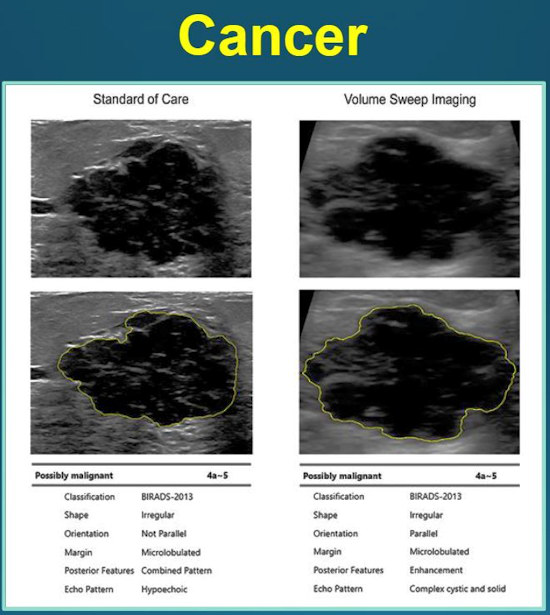
March 27, 2023 -- Combining volume sweep imaging (VSI) for breast ultrasound with artificial intelligence (AI) could make way for rapid and automated diagnosis of breast lumps without a sonographer or a radiologist, suggest findings presented March 26 at UltraCon.

Marini and colleagues wanted to explore the potential for an automatic diagnostic system for evaluating breast lumps that would not require an expert sonographer or radiologist. It employed VSI performed by individuals without prior medical training using existing commercially available AI (S-Detect, Samsung).

Dr. Thomas Marini from the University of Rochester Medical Center presented findings suggesting that combined volume sweep imaging and artificial intelligence could accurately diagnose palpable breast lumps. Here, the combined method (right) is compared to standard of care (left), with both agreeing that the imaged area is possibly malignant. Image courtesy of Dr. Thomas Marini.

Thứ Năm, 9 tháng 2, 2023

Which risk stratification system is best for thyroid nodules?


By Amerigo Allegretto, AuntMinnie.com staff writer

February 9, 2023 -- The American College of Radiology (ACR) TI-RADS system is best for risk stratification of thyroid nodules found on ultrasound, according to a Korean study published February 8 in the American Journal of Roentgenology.


Researchers led by Dr. Do Hyun Kim, PhD, from the Catholic University of Korea in Seoul compared six different risk stratification systems in a meta-analysis that encompassed nearly 50,000 patients. They found that the ACR's Thyroid Imaging Reporting and Data System (TI-RADS) delivered the highest diagnostic performance.

"This comparative evaluation of risk stratification systems for thyroid nodules can inform decisions regarding system implementation, as well as aid future system updates," Kim and colleagues wrote.

Risk stratification systems are used to evaluate thyroid nodules on ultrasound. Different systems use varying approaches to classify levels of suspicion for malignancy. This can lead to variable performance.

To see which system was the best, Kim et al wanted to put these different risk stratification systems to the test in a meta-analysis that included 39 studies with 49,661 patients. All studies included had either fair (n = 17) or good (n = 22) image quality. The risk stratification systems analyzed in the study included the following:

  • American Association of Clinical Endocrinologists/American College of Endocrinology/Associazione Medici Endocrinologi (AACE/ACE/AME)
  • ACR TI-RADS
  • American Thyroid Association (ATA)
  • European Thyroid Association Thyroid Imaging Reporting and Data System (EU-TIRADS)
  • Korean Thyroid Association/Korean Society of Thyroid Radiology Thyroid Imaging Reporting and Data System (K-TIRADS)
  • Thyroid Imaging Reporting and Data System developed by Kwak et al. (Kwak TIRADS)

The authors used the surface under the cumulative ranking curve (SUCRA) to rank the systems in terms of sensitivity, specificity, and accuracy. Although all systems had varying advantages and disadvantages when it came to low-risk versus high-risk findings, they found that ACR TI-RADS had the highest overall metrics, followed by K-TIRADS.

Performance of thyroid ultrasound risk stratification systems
 EU-TIRADSAACE/ACE/AMEATAKwak TI-RADSK-TIRADSACR TI-RADS
Sensitivity5%20%39%67%81%89%
Specificity8%27%33%62%78%93%
Accuracy14%66%30%50%68%72%

The researchers suggested that the higher performance of ACR TI-RADS and Kwak TIRADS are due to their being score-based systems and not pattern-based, the latter of which provide "less precise" estimates of malignancy risk.

ACR TI-RADS, however, includes an initial assignment of a varying number of points in multiple categories before calculating the sum of these points across categories to weigh certain findings. In addition, this method considers commonly encountered thyroid nodule characteristics, the study authors noted. Also, ACR TI-RADS recommends that follow-up ultrasound be performed in nodules smaller than the size cutoffs in the mildly, moderately, and highly suspicious categories.

In an accompanying editorial, Dr. Luyao Shen from Stanford University in California wrote that although ACR TI-RADS "can be cumbersome" to use compared with other guidelines, its structured system helps achieve consistency among readers. Shen also noted the system's larger size thresholds for biopsy recommendations, along with options for active surveillance for smaller nodules with suspicious features.

"Strong evidence supports ACR TI-RADS as the preferred system to risk stratify thyroid nodules," Shen wrote.

Thứ Sáu, 27 tháng 1, 2023

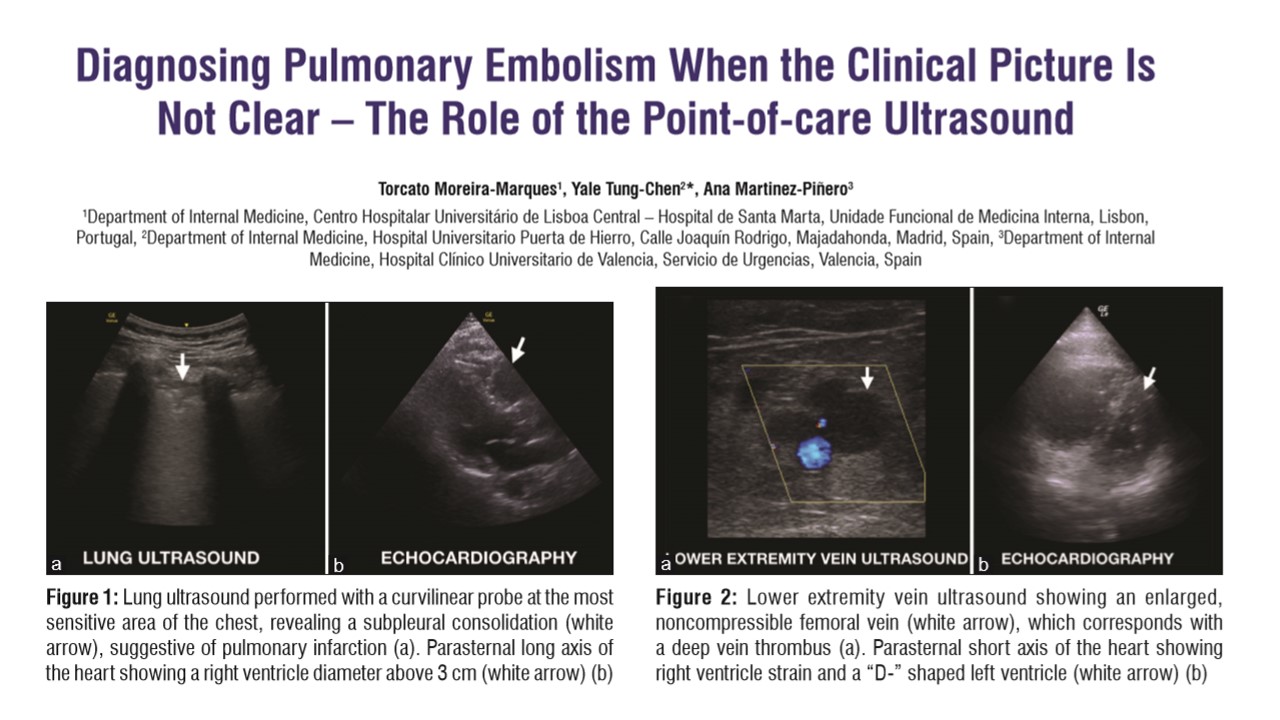
POCUS for UNCLEAR PULMONARY EMBOLISM


ABSTRACT
Point-of-care ultrasound (POCUS) has become a reliable and powerful tool working as a complement to the traditional physical examination. It has proven to be a reliable and reproducible method to a quicker and safer diagnosis, sometimes surpassing the diagnostic accuracy of more traditional techniques. We present two cases of pulmonary embolism (PE) with clinical presentations that suggested other diagnoses, prior to the performance of POCUS: a 60-year-old patient with nausea and vomiting and a 66-year-old female with a week-long progressive increase of shortness of breath and increased peripheral edema. In the reported cases, we aim to pinpoint the importance and usefulness of POCUS in the everyday evaluation of our patients, in multiple settings and by multiple specialty physicians, supported by its robust evidence-based background. It has proven to be a useful tool in evaluating in a fast and nonharmful way complementing more traditional techniques, which proves to be especially important regarding cases, like the ones we describe, when the correct diagnosis is not always clear to presentation. The use of multiorgan POCUS allows even in the most atypical presentations, the rise of suspicion of PE, leading to the necessary steps to a final diagnosis and management.
Keywords: Deep vein thrombosis, lung ultrasound, point-of-care ultrasound, pulmonary embolism

DISCUSSION 
Multiorgan POCUS has a robust evidence-based background. It is adopted by a variety of physicians in a lot of different settings,   allowing to a more efficient and quickly evaluation and management of our patients.[2,3] This way, it proves to be highly valuable as a complement to traditional examination tools, especially when it comes to cases where the clinical picture is unclear. Regarding PE, the range of presentations is wide,[4] frequently leading to misdiagnosis and otherwise preventable morbidity and death.[5] Atypical presenting symptoms of PE, such as syncope, recurrent fever,[6] bradycardia,[2] epigastric pain,[7] flank pain,[8] right upper quadrant and back pain,[9] and seizure,[10] are described in the literature despite their rarity. This leads to the need of a more cautious approach in patients with risk factors for PE despite their presentation.[4] The value of POCUS stands out in these cases, especially in a multiorgan approach.[2] Multiorgan POCUS including lung, venous compression, and focused cardiac ultrasound as a clinical adjunct can play a significant role in the diagnosis and management of PE. The presence of subpleural consolidations and focal B-lines is highly specific for focal interstitial syndrome (i.e., pneumonia, fibrosis, atelectasis, pulmonary infarction, neoplasia, etc.). Compression ultrasound is the mainstay of venous thrombosis diagnosis. Focused cardiac ultrasound may reveal evidence of right ventricle strain. Combining these examinations in a protocolized approach allows a quick but unrefutably precious look at the most important locations regarding PE.[2] POCUS is useful in the diagnosis of acute PE, either as a screening tool in patients with atypical presentation or as an aid before the confirmation by chest computed tomography in patients with high clinical suspicion, leading to the necessary steps to a final diagnosis and management. 

We have obtained informed consent from the patients.

Thứ Tư, 25 tháng 1, 2023

The Complete Guide to Artificial Intelligence in Radiology


Artificial intelligence (AI) is playing an increasingly vital role in all our lives, and shows promising prospects in addressing some of the greatest current and upcoming societal challenges. With an established history of leading digital transformation in healthcare and an urgent need for improved efficiency, radiology has been at the forefront of harnessing AI’s potential.

But how can AI address the challenges that radiology departments face?

How can we get an overview of the fundamental concepts? What are the most promising use cases for AI in radiology? And what are the major challenges associated with the adoption of AI?


Thứ Ba, 24 tháng 1, 2023

TRENDS in ULTRASOUND USE in LMI Countries


Results

Initial database search (after deduplication) yielded 6,276 articles (Figure 1). Abstracts were reviewed for inclusion, after which 1,713 studies were excluded for not reporting ultrasound use, describing non-clinical applications, or for studies not performed in an LMIC. An additional 287 articles were included in the novel research sub-category as defined above. Nine articles that met novel research criteria were excluded after the full-text was not available for review, with an additional 5 articles excluded for being research studies conducted in a military setting.

Trends by year and geographical region of ultrasound use in LMICs for all studies and novel ultrasound studies are shown in Figures 2 and 3. 

The number of countries with reported ultrasound use has increased 24% since 2010 from 50 to 62 countries. The countries with the highest number of ultrasound studies included India (20%), Egypt (9.8%), Nigeria (8.8%), and Pakistan (7.3%). The specialties represented in all ultrasound studies included cardiology (25%), obstetrics and gynecology (14%). 

Other key specialties included gastroenterology (7.3%), pediatrics (5.8%), infectious disease (5.7%), internal medicine (6.2%), endocrinology (2.9%), and general surgery (3.5%). The most common journals of publication were the Indian Heart Journal (n=103), the Pan African Medical Journal (n=77), the Journal of Medical Case Reports (n=57), Mymensingh Medical Journal (n=53), Pakistan Journal of Medical Sciences (n=50), PLoS ONE (n=48), and BMC Research (n=44).

Of the 287 novel ultrasound application studies, 48% were prospective studies, 13% qualitative, 12% retrospective, 11% cross-sectional studies, 8% case reports, 5% randomized controlled trials, and 1.0% case-controls. Studies were largely performed at public hospitals (86%), of which 59% were conducted at tertiary hospitals and 41% were carried out in a primary care or rural setting. Novel research studies in the form of RCTs are shown in Table 1.

The novel applications of ultrasound technology in novel studies was primarily for screening (26%) and obstetrical use (34%), however, key applications also included infectious disease (10%), cardiology (9%), abdominal conditions (8%), trauma (8%), and gynecologic conditions (3%). Ultrasound imaging providers in novel studies included physicians (85%), midwives (7%), residents (3%), community health workers (2%), and ultrasound technicians (2%). Hand-held ultrasound devices were used in 28% (n=47) of novel studies. 

The most common journals of publication for novel ultrasound research include the Journal of Ultrasound in Medicine (n=12), BMC Pregnancy and Childbirth (n=7), Critical Ultrasound Research (n=7), PLoS ONE (n=6), Egyptian Journal of Radiology and Nuclear Medicine (n=5), the Egyptian Journal of Chest Diseases and Tuberculosis (n=5), and the American Journal of Tropical Medicine and Hygiene (n=5).

Global collaboration, defined as the inclusion of at least one author whose listed publication affiliation was within the country in which the novel ultrasound study was conducted, was present in 70% of studies. The majority of studies that involved global collaboration occurred in India (n=22), Uganda (n=22), Nigeria (n=15) and Tanzania (n=15). Of first authors, 67% were from the country of ultrasound study, of last authors, 60% were from the country of ultrasound study. A total of 75 papers (26%) included both a first and last author from the country of ultrasound study, including 18 from India and 14 from Nigeria. Thirty one percent of novel ultrasound research was funded (n=91), including by NIH grants, the Bill and Melinda Gates Foundation, the General Electric (GE) Foundation, and European foundation grant funding. The countries with the most number of studies with funding were Uganda (n=13), Tanzania (n=10), and Rwanda (n=6). Using the Cochrane risk of bias tool, 70% of the studies reviewed were characterized of having more than one categorized medium and high risk of bias for at least one ‘Risk of Bias’ category.

Sixty eight percent of novel research studies (n=196) contained an educational or training component on ultrasound imaging. Of those educational studies, 91 (46.4%) occurred in the subSaharan geographical region, including a majority in Uganda (n=20), Nigeria (17), and Tanzania (n=9). 

Details of educational studies with funding and known ultrasound, including a description of the training program or curriculum, are shown in Table 2. 

The number of annual educational ultrasound studies has increased to nearly 2.9 times the amount from 2010 to 2018 (from 14 to 40 per year).

Discussion

Increasing Use of Ultrasound

Our systematic literature review of ultrasound use in LMICs demonstrates the growing utilization of this relatively low-cost, portable imaging technology in low resource settings. Although the WHO does not measure access to ultrasound alongside other imaging modalities such as CT and MRI, it does recognize the importance of ultrasound imaging and its potential impact on diagnostics worldwide.

This includes a goal of meeting 90% of imaging needs in primary health care settings with the use of a general purpose ultrasound machine combined with an X-ray unit, along with distribution of the WHO published Manual of Diagnostic Ultrasound. Our study demonstrates that research studies regarding ultrasound use in LMICs have increased nearly 60% and expanded 20% geographically in the last ten years in efforts to meet those goals. However, evidence also suggests that the majority of ultrasound studies were conducted at tertiary care centers (more than 70% of all ultrasound studies) and within middle income countries, demonstrating broader problems with lack of access to healthcare in low-income economies and especially in rural areas.

Regional Trends of Ultrasound

Examining the regional breakdown of ultrasound related studies in LMICs, our study determined that nearly 70% of studies involved ultrasound usage originating from Southeast Asia and sub-Saharan Africa. In terms of novel ultrasound research conducted in LMICs, the region with the most studies was Western and sub-Saharan Africa (46.7%), driven by research conducted in Nigeria, Uganda, and Tanzania. 72% of studies involved global collaboration, meaning an author from an LMIC was present in the final publication. This lack of representation of authors from LMICs indicates that global collaboration could and should be increased, with the goal of 100% of research efforts and the subsequent academic publications involving collaboration with LMIC partners in the country where the research was conducted. This represents a potential lack of representation seen in other areas of publication.

Focus of Studies

The majority of ultrasound studies focused on cardiology, which described usage of portable echocardiograms, and obstetrics where the use of ultrasound in prenatal care is standardized. Pediatric care, gastroenterology, and internal medicine were specialties that conducted substantial research with ultrasound in the LMICs. Looking at novel applications of ultrasound, we found the increasing application of US as a screening tool was utilized, with novel applications including screening for Crimean-Congo hemorrhagic fever in Turkey, human cystic echinococcosis in Morocco, and dengue fever severity in India. 

 Other noteworthy applications of novel ultrasound research included the deployment of a wind-up powered fetal heart monitor in Uganda conducted by Byaruhanga et al and the development of a machine learning model to classify chronic liver disease severity based on liver ultrasound in India by Bharti et al.

Types of Studies

Many studies on the use of ultrasound in LMICs were qualitative studies understanding the perceptions of ultrasound use, most commonly examining community perceptions of routine ultrasound imaging during pregnancy. Of note, perceptions about routine prenatal ultrasound care among physicians, midwives, and patients were studied. For example, the use of ultrasound in standard prenatal care was measured in several countries, as it represented a new phenomenon and was found to be essential to improving maternal outcomes. Key studies conducted in Tanzania, Uganda, Nigeria, Ghana evaluated the changing perception of obstetric ultrasound use for prenatal care. We found that ‘novel ultrasound research’ was published more often in international journals than ‘applications of ultrasound’ studies, which were commonly published in regional journals, i.e. PLoS ONE versus the Indian Heart Journal.

Educational Programs

We found that the rate of educational studies remained relatively consistent over the period studied. However, many of the educational studies focused on task-shifting from skilled providers to training for lay providers including midwives, medical students, community health workers, or other lay people. This includes the emerging role of teleconsultation services and tele-imaging in ultrasound around the world. For example, Bansal et al conducted the VISION-in-Tele-Echo study which evaluated the benefit of a teleremote training program in echocardiography in India, and Colquhoun et al conducted a pilot study of nurse￾led rheumatic heart disease echocardiography screening in Fiji. Furthermore, some studies combined educational training programs alongside a measurable impact on increased screening and diagnosis. The study conducted by Chamadol et al outlined the teleconsultation program launched in Thailand for the diagnosis of cholangiocarcinoma, while simultaneously capturing the additional patients screened and health centers impacted by the program. Finally, the availability of ultrasound gel was identified as a potential barrier to use due to cost and lack of availability of commercially produced ultrasound gel. Several studies outlined low cost recipes for generic ultrasound gel, including the use of shampoo, Guar Gum, corn starch, lotion, and Betadine.

Overall Trends

Our study identified the overall trend of increasing studies in ultrasound application in LMICs over the past decade. There has been increased use of ultrasound with new applications of technology simultaneously focused on the increased application in rural health care centers. Furthermore, research in ultrasound studies indicates a trend of increased training programs, using teleremote technologies to expand task shifting to lay providers, and ingenuity in using this low-cost technology in new ways adapted for low-resource settings. 

The findings outlined in the literature indicated the increased scope of ultrasound and its use in LMICs, where such a low cost, portable, diagnostic imaging modality is an extremely valuable tool. 

Furthermore, the study has identified the potential for hand-held technology to make this imaging modality widely available at a potentially low cost. 

Care providers should keep in mind barriers to use, including patient and provider perceptions, level of skill, power availability, and the lack of technical repair when designing ultrasound related programs on a global basis.

Conclusion and Global Health Implications

In conclusion, this literature review focused on ultrasound trends and usage in LMICs. With the decreasing cost of ultrasound equipment and increasing availability of handheld ultrasound devices, it is important to continue assessment of the adoption and effective novel application of ultrasound technology in LMICs. Furthermore, there is a pressing need to address the potential capabilities and delineate limitations of ultrasound within resource limited settings. We found evidence of the role of educational training programs increasing screening and diagnostic clinical decision making. We also found the increasing adoption of  ultrasound technology globally.


Thứ Hai, 23 tháng 1, 2023

The Enormous Potential of Ultrasound:

 Making a Difference in Patients’ Lives

The use of ultrasound in medicine began during World War II in several countries around the world. The work of Dr. Karl Theodore Dussik in Austria in 1942 using ultrasonic waves to detect brain tumors was one of the first indications that this noninvasive technology had tremendous potential. Although many others in the USA, Japan and Europe are also considered pioneers, the work of Professor Ian Donald and his colleagues in Scotland in the 1950s did much to facilitate practical technology and applications, leading to the wider use of ultrasound in medical practice we see today.

ULS Modes of Operation.png

For many parents, their first experience with ultrasound shows them their unborn baby’s little hands and tiny spines — a grainy glimpse into their family’s future. But ultrasound has vast applications beyond assessing the health of a growing baby. It is used to look closely at the heart after a patient’s heart attack, evaluate lung function in a patient stricken by COVID-19 and assess why a patient brought in by ambulance is in shock. Having clear 2D, 3D and 4D real-time images and clips that accurately capture tissues, fluids and structures inside the body — while being safe by not exposing the patient to any ionizing radiation — is powerful for diagnosis, treatment and improved patient outcomes.

Ultrasound allows physicians to see what’s going on in the human body by sending high-frequency sound waves and receiving echoes, which convert into images that physicians can visualize, attain measurements from and use in diagnostics. Ultrasound images and clips are processed in real time today, so there is no delay in the ability to understand a patient’s condition. In fact, through advocacy, training and technological development, ultrasound has developed into the second-most-used diagnostic imaging technology (after X-ray) and produces billions of diagnostic images each year.[1]

Now, with support from digital solutions and artificial intelligence, caregivers, physicians and surgeons are using ultrasound in real time for precision care at the bedsides of patients, in the operating room and the traditional doctor’s office, at home or wherever the patient happens to be.

Vscan Air Lung Pleural Line Ambulance.jpg

Ultrasound in Surgery

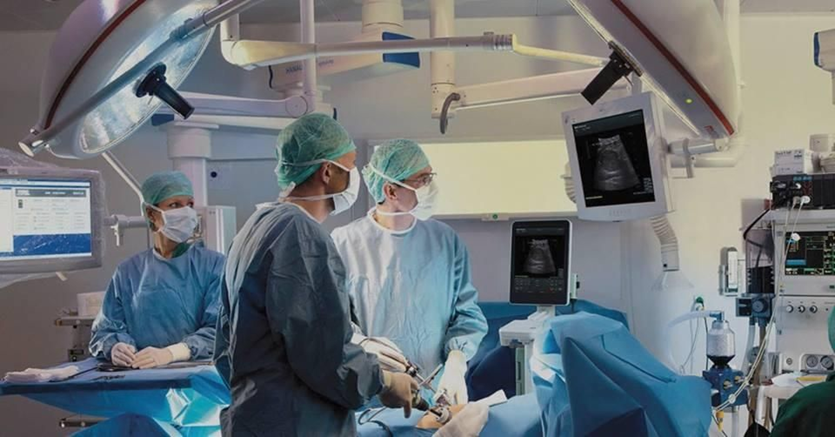
GE Healthcare, with its long history of innovation in ultrasound and a quest for healthcare to be smarter and more efficient, is bringing ultrasound to interventional suites and operating rooms. With our 2021 acquisition of BK Medical, we can use our global scale to bring active imaging technology — which helps surgeons visualize anatomy and navigate inside the body — to more customers around the world. Adding the fast-growing and relatively new field of real-time surgical visualization to GE Healthcare’s pre- and post-operative ultrasound capabilities will allow surgeons to provide a continuum of care from diagnosis through minimally invasive or robotic surgery and beyond.

BK Medical.png

With precision health, ultrasound has evolved to address procedure-specific needs in disciplines ultrasound didn’t have a presence in previously: neurosurgery, spine and general surgery, and urology. That means when a patient undergoes neurosurgery to remove a tumor, for example, instead of the physician relying on static images from a CT scan, the surgeon can see onscreen exactly where the tumor is in real time and determine the best course for removal.

Imagine a surgeon able to operate on certain fetal anomalies in weeks 11-12 — something that until just recently was possible only in week 20 — and achieve a better outcome for the unborn baby. Or a physician who is performing a lumpectomy on a breast cancer patient and can see exactly where the tumor is and excise it precisely with clean margins, ensuring the patient’s successful breast cancer treatment.

Adding real-time surgical intervention to our pre- and post-operative ultrasound capabilities not only gives us entry into the operating room but improves surgeons’ decision-making, efficiency, accuracy and healthcare outcomes for millions of people.

Bringing Ultrasound to the Masses

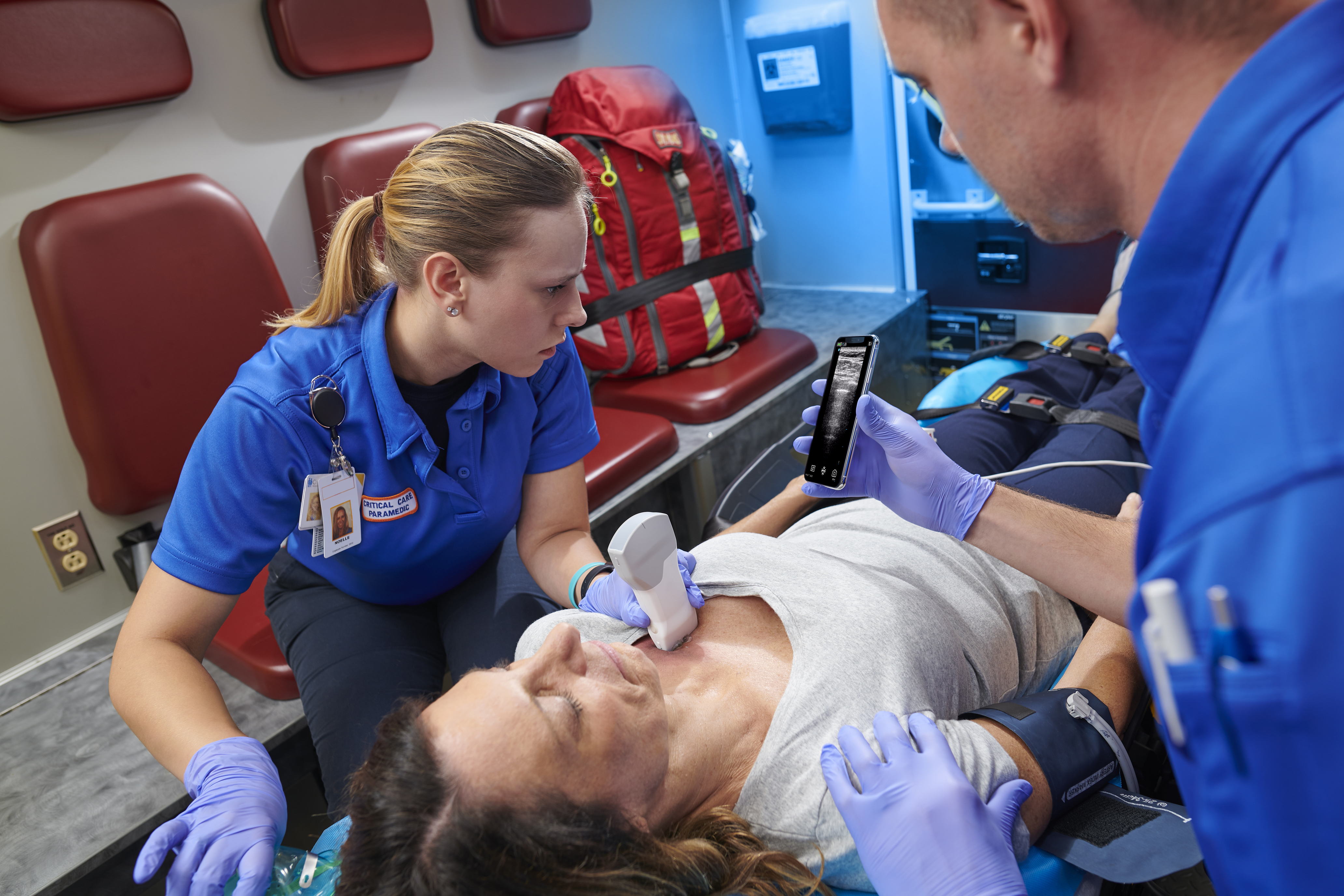
In 2010, GE Healthcare pioneered its first Vscan portable ultrasound system, which can fit in a physician’s pocket. In 2021, a decade later and with more than 50,000 units of Vscan sold globally, the third-generation handheld Vscan Air has been released. This pocket-size ultrasound, with crystal-clear image capability, is advantageous to sonographers who traditionally must train extensively and practice for years in their field. The device wirelessly pairs with any modern smartphone and is simple and easy to use, with an app that guides the user with one-click imaging. Those images can then be sent to the cloud, where a healthcare provider can view the image. Technology and AI are enabling clinicians to spend more of their time engaging with patients, rather than fiddling with the device. Indeed, the Vscan Air was built to be inclusive and have applicability across a wide variety of clinical specialties, clinician types, education levels and clinical settings.

In Germany, for instance, primary care physicians use the device to improve the speed of diagnosis. In the U.S., it has been used on helicopters during patient air transports. In Japan, home-care workers use it to better care for aging patients, while in developing countries it’s used to provide images for expectant moms who might not have access to a maternity clinic. As a global player in the industry, we understand the potential to one day put ultrasound technology such as the Vscan Air into the hands of not just healthcare providers, but patients.

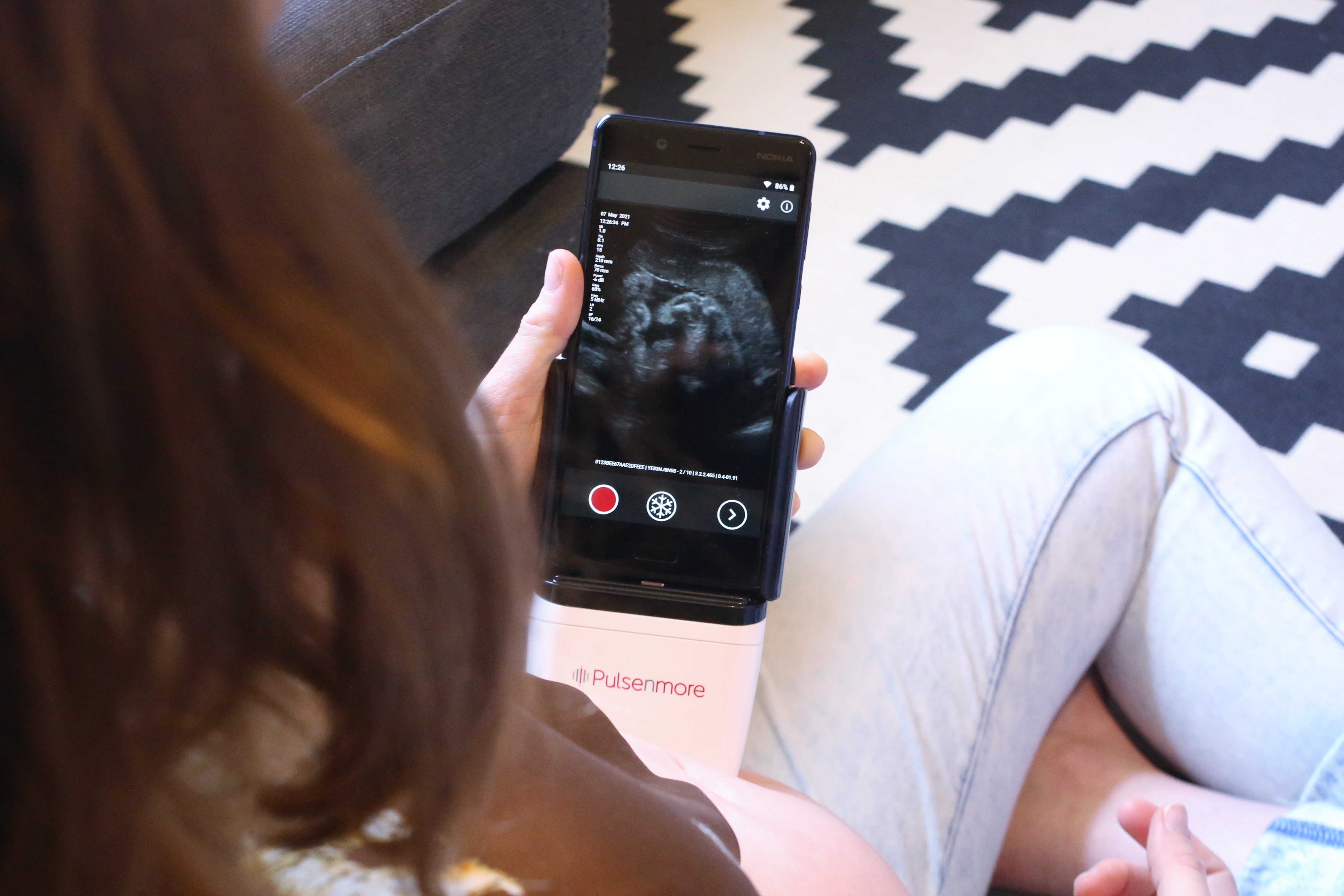
Healthcare providers today are predicting a significant shift of care services from traditional facilities to the home by 2025, without a reduction in quality or access. In-home use could create tremendous value for healthcare facilities and physician groups, care-at-home providers, technology companies and investors, and could improve patients’ quality of care and experience. That is precisely why we announced a strategic investment in Israeli home-use ultrasound startup Pulsenmore. Their novel self-operated prenatal home ultrasound solution, combined with a smartphone, enables pregnant women to self-scan for remote clinical assessment by their healthcare provider.

9N7A6304-1.jpg

With so many potential applications for this technology in development, including follicular monitoring for women undergoing in-vitro fertilization and remote monitoring for chronic heart failure and end-stage renal disease, we look to ultrasound as one day soon becoming the standard of care.

The Transformative Benefits of AI

At its simplest, artificial intelligence (AI) is just a tool — albeit a very powerful, industry-changing one that helps healthcare providers become better, faster and more efficient at what they were already doing. AI built directly into devices essentially enables clinicians to spend more of their time engaging with patients, rather than fiddling with the device or technology. AI algorithms help identify diseases more efficiently and with greater accuracy — meaning critical cases can be prioritized and treatment mapped out quickly.

Take, for example, doctors getting a handle on potential complications from COVID-19. Typically, physicians determine whether a heart is pumping enough blood through the primary arteries to organs by taking an ultrasound measurement called velocity time integral (VTI). Our hardware with AI-enabled features can get the VTI reading in seconds — dramatically reducing the number of keystrokes and the time it would take to calculate the flow rate manually.

We believe that “AI will eventually be what we think of software development today: the basis for every application in healthcare, for every solution, that we learn to harness as a tool to drive healthcare forward.”

Por-Rott-W-A-22-3-2021 10 Kopie (2) copy.jpg

Roland Rott, Ultrasound President and CEO, GE Healthcare

A Passion for Purpose

Healthcare enterprises are demanding tools that allow them to operate their fleets of devices efficiently and securely, from end to end. Small practices and individual clinicians are asking for the right tools that allow them to maximize workflow efficiencies, and collaboration to allow more time to focus on patient care and outcomes. Ultrasound innovation is deep in our DNA. As a market leader in ultrasound and a pioneer in the space, it is this focus and passion for purpose that drives our commitment to innovate and deliver better tools to physicians so they can simplify decision-making and provide faster, more personalized care to patients.

We continue to invest heavily in a digital future that allows all clinicians to collaborate seamlessly with peers, practice within an optimized department and provide their best — and most efficient — care to patients at every single site.

Whether treating a patient with COVID-19 using ultrasound to determine lung function at the point of care or using ultrasound to diagnose (and then assist in) an emergency appendectomy, or even using 4D ultrasound technology in interventional cardiology procedures, ultrasound provides an extra set of “eyes” to both physicians and surgeons, making them more efficient and creating better outcomes for their patients. We couldn’t be more excited about the future of ultrasound.

 
REFERENCES

[1] Amar Bhidé and Srikant Datar, “Case Histories of Significant Medical Advances: Development of Ultrasound Scanning,” Harvard Business School Working Paper 20-003 (2019-2021), https://www.hbs.edu/ris/Publication%20Files/20-003_7d51bf0d-d94d-44de-b08f-e12ff8bc02e0.pdf.


Emerging Trends in Ultrasound Imaging

 By Karen Koblan, Ultrasound Solutions Corp.

We are close to a new era in ultrasound technology. From helping healthcare specialists detect several diseases such as cancerous cells to showing real-time images inside the mother’s womb, ultrasound technology is a go-to way for various specialists to deal with a wide range of diseases and tasks.

Let us take a closer look at how the emerging technologies of ultra-compact ultrasound, 3D and 4D ultrasound, artificial intelligence (AI), tissue harmonic imaging, and volumetric ultrasound are impacting the future of ultrasound imaging.

1. Ultra-Compact Ultrasound

Ultra-compact or portable ultrasound machines have taken imaging technology by storm. Previously, medical professionals had to use large, bulky, and complicated ultrasound machines for treating patients. Now, healthcare and clinical laboratories are opting for these ultra-compact imaging machines due to their portability and ease of use.

Portable ultrasound machines are also being used by healthcare specialists. In particular, portable ultrasound machines are useful in detecting UTIs. These machines offer a number of advantages over standard methods of UTI detection, such as computed tomography (CT) or magnetic resonance imaging (MRI). Portable ultrasound machines provide superior imaging quality and allow for real-time image guidance. These machines are perfect for primary care settings.

2. 3D And 4D Real-Time Ultrasound Imaging

The use of three-dimensional (3D) real-time imaging ultrasound technology is being driven by the demand for more accurate diagnostic images. This type of imaging provides a clear picture of the internal organs and can be used to detect abnormalities such as tumors. It is becoming more popular because it gives a better view of what is going on inside the body.

3D real-time imaging is becoming more popular for fetal ultrasound. This technology gives a more detailed view of the baby. This technology is new, and there is no standard protocol for its use yet. However, more hospitals are expected to start using this technology in the near future.

Further, this technology helps determine diseases with ease. It helps to achieve better visuals of human body organs. Compared to 2D imaging technology, 3D ultrasound imaging technology also takes less time.

Four-dimensional (4D) ultrasound imaging technology is even more convenient for healthcare specialists such as gynecologists. Compared to 3D ultrasound technology, 4D ultrasound shows live motion with the help of several images. With this technology, gynecologists can observe the live movement of the baby in the mother’s womb.

4D real-time ultrasound imaging provides a lot of benefits that traditional two-dimensional imaging does not, especially to gynecologists. This type of imaging gives a more complete view of the fetus, as well as showing how the fetus is developing over time. This technology can also be used to monitor multiple fetuses simultaneously. This is beneficial for high-risk pregnancies.

3. Artificial Intelligence

AI or artificial intelligence has a lot of potential in the medtech and imaging industry, including in the area of ultrasound technology. Ultrasound waves are used to create images of the inside of the body. This technology has been used for diagnostic purposes for many years. However, interpreting these images can be tricky, even for experienced radiologists. This is where AI comes in to help.

AI-enabled ultrasound machines can quickly and accurately interpret images. This can help doctors diagnose and treat patients faster. Additionally, AI can help identify patterns that human observers may miss. For example, AI can help identify early signs of several serious diseases, including cancer, heart disease, and stroke. This technology has the potential to save lives by providing earlier diagnosis and treatment.

4. Tissue Harmonic Imaging

Tissue harmonic imaging (THI) is another new emerging technology that's rapidly changing the use of standard ultrasound techniques. THI is an advanced technology that produces images with greater clarity than standard ultrasound. This means that clinicians can make more accurate diagnoses using THI, and this makes it particularly well-suited for use in cardiac imaging.

In addition, THI technology requires less power and can be performed more quickly, making it more convenient for both patients and clinicians. Further, THI is less likely than standard ultrasound to produce artifacts, which can often lead to inaccurate diagnoses

5. Volumetric Ultrasound

In general, volumetric imaging creates images of objects in space by combining multiple 2D images taken from different angles. This allows for a more complete view of an object than would be possible with just a single image. Now, the same concept is being used for medical diagnosis purposes.

Volumetric ultrasound provides 3D images of the body by steering a 2D array transducer in a scan format, using sound waves and computer algorithms to create images of the inside of the body. This imaging modality can be helpful in identifying cancer cells, tumor cells, and other abnormalities, as well as diagnosing various conditions, such as various heart diseases. Further, volumetric ultrasound is often used to help guide procedures such as biopsies and needle injections.

It is often used to image the fetus during pregnancy. It can also be used to image other organs and structures, as well as to assess relationships between different structures of human body organs. It is a great way to see small structures and is very clear.

Final Thought

Ultra-compact ultrasound, 3D and 4D ultrasound, artificial intelligence (AI), tissue harmonic imaging, and volumetric ultrasound are impacting – and will continue to impact -- the future of ultrasound technology, benefiting both healthcare providers and patients.

Education is the catalyst to increased adoption of handheld ultrasound

By Mustafa Hassan, AuntMinnie.com contributing writer


January 20, 2023

Handheld ultrasound has not yet reached mainstream adoption, but the worldwide market is still projected to reach over $500 million by 2026, according to Signify Research's newly published Handheld Ultrasound Deep Dive Report 2022.

In addition, market revenues are estimated to have grown by approximately 30% in 2021, driven by strong growth in the U.S., the biggest market for handheld ultrasound. Despite the global challenges for handheld ultrasound vendors in 2022, such as rising inflation and supply chain disruptions, the handheld ultrasound market is expected to experience double-digit growth, and this is forecast to continue through to 2026.

Most of the market growth will be fueled by increased adoption of handheld devices by new users of ultrasound, such as primary care physicians, nurses, emergency medical technicians (EMTs), and midwives. The key market trends are discussed below.

AI

The steep learning curve and subsequent ultrasound skills shortage are two of the biggest barriers to the wider use of ultrasound. These challenges are exacerbated in handheld ultrasound, where there is a higher proportion of new and less experienced users compared with cart and compact ultrasound.

As the expansion of the handheld ultrasound market in the coming years is expected to be strongly driven by new user groups, this barrier will be greater than ever before. These barriers can be partially addressed by artificial intelligence (AI) solutions that guide users with positioning and moving the ultrasound probe.

To date, most image guidance AI solutions, such as those from Caption Health, UltraSight, and DESKi, are for cardiac scans. AI image guidance solutions will have a bigger impact when they can also be used for other clinical applications, making it easier for users such as nurses to use ultrasound during their rounds. Though this is starting to happen -- with image guidance AI solutions for the thyroid (developed by Medo.AI), women's health (developed by Pulsenmore), and vascular applications (developed by ThinkSono) -- it will take time, capital, and data to develop image capture support for other body areas. In the interim, we expect to see more anatomy labeling solutions to assist with image capture.

In addition to AI for image capture support, solutions for image analysis will make ultrasound more efficient for users. These applications need to be embraced by physicians, some of whom may be wary about the performance and limitations of AI.

For AI to be more widely used in handheld ultrasound, one of the main challenges that will need to be overcome is how the AI applications are paid for. The solutions need to be affordable to the customer, in line with the price paid for the scanner, yet still enable AI vendors and potential OEM partners to make a profit. Another challenge is validating the AI solutions, which can be costly. This is one of the main reasons for the lack of ultrasound AI adoption in China.

Teleultrasound

With education being the most significant barrier preventing the adoption of handheld ultrasound, teleultrasound can have a positive influence by connecting novice users with experienced experts. With ultrasound increasingly being taught as part of the curriculum at medical schools, a teleultrasound platform enables newly trained physicians to connect with an ultrasound expert to help them become more comfortable in using ultrasound in real-life cases and to get a second opinion on a diagnosis.

With the current backlog in patients requiring imaging and changes in reimbursement, there is a drive to move imaging to out-of-hospital settings, and teleultrasound platforms, along with other digital solutions, can play a role in facilitating this shift.

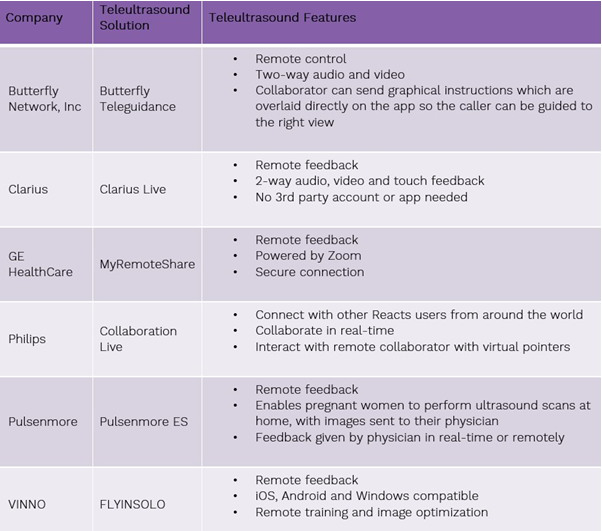
Table 1 “Teleultrasound solutions available in the handheld ultrasound market"

Signify table


Diverging Business Models

During the early years of handheld ultrasound, most devices were purchased with a one-time payment (capital expenditure). This payment model is familiar and accepted by healthcare providers and enables vendors with a broad range of ultrasound systems to sell handheld scanners to their existing customer base as an "add on" with bundled deals.

More recently, the new breed of dedicated handheld ultrasound vendors, like Butterfly Network, Vave, and Clarius Mobile Health, have introduced subscription payment models. Due to the low cost of handheld ultrasound devices, with the global average selling price now down to around $4,000, vendors need large sales volumes to make a profit. This is a challenge as handheld ultrasound has not yet achieved mainstream adoption. As such, most dedicated handheld ultrasound vendors are not yet profitable.

Vendors are now seeking subscription revenue streams, either to replace the upfront payment for the device or to supplement the initial device purchase, to generate additional and recurring revenue. Vendors are now launching digital solutions that are chargeable add-on services, such as teleultrasound and AI applications. Moreover, the subscription model enables vendors to lower the initial cost of the device, opening the market to cost-sensitive customers, such as new users of ultrasound.


Competitive Analysis

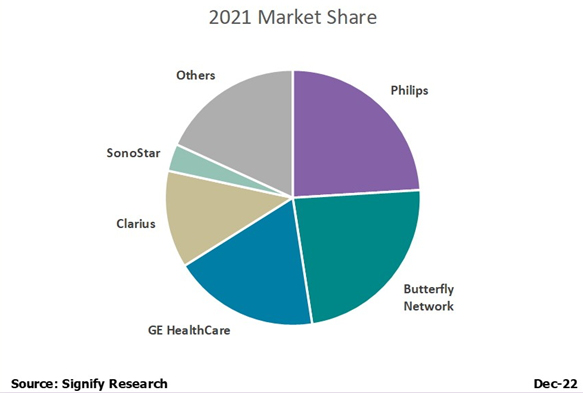
Signify marketshare


The leading vendors of handheld ultrasound are Philips, Butterfly Network, GE HealthCare, and Clarius. The largest Chinese handheld ultrasound vendors are SonoStar, Youkey, and Stork Healthcare. These vendors are mostly focused on their domestic market, except for SonoStar which has had some limited success in Western Europe and the U.S.

While the market was initially dominated by vendors such as GE HealthCare and Philips with a full ultrasound product portfolio, dedicated handheld vendors are becoming increasingly prominent. Initially competing with other ultrasound system types, notably low-end compact systems, handheld ultrasound vendors are increasingly developing customer bases distinct from users of compact systems. This trend will increase as handheld ultrasound becomes more mainstream and is adopted by increasingly newer users of ultrasound in new use cases such as in plastic surgery and medical aesthetics.

Although the majority of handheld ultrasound sales are wired devices, accounting for around 75% of handheld ultrasound sales revenue in 2021, wireless handheld ultrasound devices are expected to dominate the market in the future. The current product mix of wired versus wireless devices in the market is due more to the supplier mix than customer need, as most vendors currently offer wired devices. Among the larger handheld ultrasound vendors, Butterfly Network and Philips only offer wired devices and GE Healthcare launched its first wireless device in 2021.

The Signify view

The outlook for the handheld ultrasound market is promising, with a projected 2021-2026 compound annual growth rate of 24.7%. Growth will be driven by existing ultrasound users, either to replace compact systems or as an adjunct to existing systems, as well as new users of ultrasound such as nurses, primary care physicians, and midwives. Some vendors are also promoting the use of handheld ultrasound to enable patients to self-scan in the home setting.

Primary care is forecast to be the fastest growing clinical application for handheld ultrasound, with growth propelled by increased adoption of handheld ultrasound by primary care physicians. It is estimated that the percentage of primary care physicians that use ultrasound is in the single digits in most countries. The lower cost and ultraportability of handheld scanners are expected to notably increase the use of ultrasound in primary care.

The use of ultrasound in plastic surgery and medical aesthetics to improve procedure safety, is expected to be one of the fastest emerging applications of handheld ultrasound, especially in Western Europe and the U.S. Ultrasound will increasingly be used by plastic surgeons to differentiate their practice and reassure customers of the safety of cosmetic procedures.

"Handheld Ultrasound Market Deep Dive" presents market dynamics, estimates, forecasts, competitive analysis and major drivers for the handheld ultrasound equipment market. It segments the market into 30 countries/regions and into the five main clinical applications; radiology, cardiology, women's health, point of care, and specialty markets, with these markets subsegmented into 24 clinical applications overall.

Mustafa Hassan is an analyst at Signify Research, an independent supplier of market intelligence and consultancy to the global healthcare technology industry. Signify's major coverage areas are healthcare IT, medical imaging, and digital health