Siêu âm đóng vai trò là một công cụ hỗ trợ quan trọng, giúp định hướng, đánh giá mức độ tổn thương cấu trúc gan và loại trừ các nguyên nhân khác gây ra triệu chứng tương tự (như tắc mật, u gan).
Cụ thể, siêu âm phát hiện viêm gan thông qua các dấu hiệu sau:
1. Dấu hiệu viêm gan trên siêu âm
Tùy thuộc vào giai đoạn viêm gan là cấp tính hay mạn tính, cấu trúc nhu mô gan sẽ có những thay đổi khác nhau:
Viêm gan cấp tính
Trong giai đoạn cấp, gan bị sưng viêm và phù nề. Trên siêu âm có thể thấy:
- Gan to ra: Kích thước gan vượt quá mức bình thường.
- Gan giảm âm toàn bộ: Do tế bào gan bị phù nề chứa nước, nhu mô gan trông sẽ tối (đen) hơn bình thường.
- Dấu hiệu "trời đầy sao" (Starry Sky sign): Khi nhu mô gan tối đi, đường bờ của các nhánh tĩnh mạch cửa (vốn có màu trắng) sẽ nổi bật lên một cách bất thường, trông giống như những ngôi sao ban đêm.
- Thành túi mật dày lên: Phản ứng viêm lan tỏa có thể làm thành túi mật dày lên dù bản thân túi mật không bị viêm gốc.
Viêm gan mạn tính
Khi viêm gan kéo dài (trên 6 tháng), các tế bào gan bị tổn thương liên tục và bắt đầu hình thành các mô sẹo (xơ hóa). Siêu âm lúc này sẽ thấy:
- Nhu mô gan thô, không đều: Gan không còn mịn màng mà bắt đầu có hạt, độ hồi âm tăng (gan sáng/trắng hơn).
- Kích thước gan thay đổi: Giai đoạn đầu mạn tính gan có thể hơi to, nhưng nếu chuyển sang xơ gan, gan sẽ có xu hướng teo nhỏ lại.
2. Giới hạn của siêu âm thông thường
- Dễ bỏ sót giai đoạn đầu: Ở giai đoạn viêm gan nhẹ hoặc mới khởi phát, cấu trúc hình thái của gan chưa thay đổi đủ nhiều để có thể nhìn thấy bằng mắt thường trên máy siêu âm 2D truyền thống.
- Không tìm được nguyên nhân: Siêu âm chỉ thấy được hậu quả (gan phù nề, gan thô), chứ không thể phân biệt được viêm gan này là do virus (A, B, C...), do rượu, do nhiễm độc thuốc hay do tự miễn.
3. Các giải pháp siêu âm và xét nghiệm hiện đại
Để khắc phục giới hạn trên, y học hiện đại kết hợp siêu âm tiên tiến và xét nghiệm máu:
- Siêu âm đàn hồi mô (Fibroscan / Shear Wave Elastography): Đây là kỹ thuật siêu âm cực kỳ giá trị cho bệnh nhân viêm gan mạn tính. Nó giúp "đo" chính xác độ cứng của gan, từ đó biết được viêm gan đã gây xơ hóa ở mức độ nào (từ F0 - không xơ hóa đến F4 - xơ gan) mà không cần sinh thiết.
- Xét nghiệm máu (Bắt buộc): Để khẳng định chắc chắn có viêm gan hay không, bác sĩ luôn chỉ định:
- Men gan (AST, ALT): Tăng cao khi tế bào gan đang bị hủy hoại.
- Xét nghiệm huyết thanh: Tìm virus (HBsAg, Anti-HCV...) để xác định chính xác nguyên nhân.
Tóm lại: Siêu âm phát hiện được các biến đổi cấu trúc do viêm gan gây ra (đặc biệt rõ ở giai đoạn cấp tính rõ rệt hoặc mạn tính lâu năm). Tuy nhiên, để chẩn đoán chính xác bệnh và tìm nguyên nhân, bạn cần kết hợp siêu âm với xét nghiệm máu.
Siêu âm là phương thức chẩn đoán hình ảnh hàng đầu, nhanh chóng và không xâm lấn để đánh giá cấu trúc gan bệnh lý. Khi nhu mô gan thay đổi do bệnh lý, hình ảnh siêu âm (độ hồi âm - echogenicity, kích thước, bờ gan, và mạch máu) sẽ thay đổi cấu trúc một cách đặc trưng.
Dưới đây là cách siêu âm đánh giá và phân loại các cấu trúc gan bệnh lý chính:
1. Bệnh lý gan lan tỏa (Diffuse Liver Diseases)
Bệnh lý lan tỏa làm thay đổi toàn bộ hoặc phần lớn nhu mô gan, thay đổi độ sáng (độ hồi âm) so với thận và lách.
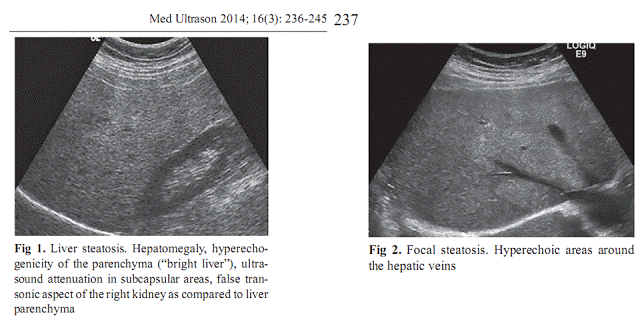
- Gan nhiễm mỡ (Fatty Liver):
- Hình ảnh: Nhu mô gan tăng âm (sáng hơn bình thường), gây mờ vùng cơ hoành và các mạch máu sâu bên trong (do chùm sóng âm bị giảm suy giảm mạnh).
- Đánh giá: Thường được chia làm 3 mức độ (Nhẹ, Vừa, Nặng) dựa trên mức độ giảm âm vùng sâu và khả năng xóa mờ các mạch máu.
- Viêm gan cấp và mạn tính (Hepatitis):
- Cấp tính: Gan có thể to ra, giảm hồi âm toàn bộ (gan tối hơn), khiến các đường bờ tĩnh mạch cửa nổi bật lên (dấu hiệu "bầu trời đầy sao" - Starry sky).
- Mạn tính: Nhu mô gan bắt đầu tăng âm thô, không đều do quá trình viêm và xơ hóa sợi kéo dài.
- Xơ gan (Cirrhosis):
- Hình ảnh: Cấu trúc nhu mô gan thô, không đều, bờ gan trở nên gồ ghề, dạng nốt (nodular surface). Kích thước gan giai đoạn đầu có thể to, nhưng giai đoạn muộn sẽ teo nhỏ (đặc biệt là thùy phải) và phì đại thùy đuôi.
- Dấu hiệu tăng áp lực tĩnh mạch cửa kèm theo: Giãn tĩnh mạch cửa (>13mm), lách to, dịch cổ trướng (báng bụng), và tái thông tĩnh mạch rốn.
2. Tổn thương khu trú tại gan (Focal Liver Lesions)
Siêu âm giúp phát hiện, định vị và gợi ý bản chất của các khối u hoặc nang trong gan.
Tổn thương lành tính
- Nang gan (Liver Cyst): Cấu trúc trống âm hoàn toàn (đen), thành mỏng, có bóng tăng âm phía sau rõ rệt.
- U máu gan (Hemangioma): Khối lành tính thường gặp nhất. Thường là một khối tăng âm (trắng), đồng nhất, giới hạn rõ, không có tín hiệu mạch máu mạnh bên trong trên siêu âm Doppler.
- Tăng sản nốt khu trú (FNH): Khối có độ hồi âm thay đổi (đồng âm hoặc kém), đặc trưng bởi sẹo trung tâm hình sao và có mạch máu nuôi dạng nan hoa trên Doppler.
Tổn thương ác tính
- Ung thư biểu mô tế bào gan (HCC): Cấu trúc rất đa dạng (giảm âm, tăng âm hoặc hỗn hợp). Thường có viền giảm âm xung quanh (vỏ bao u). Trên Doppler màu thường thấy hiện tượng tăng sinh mạch máu hỗn loạn bên trong và xung quanh khối u.
- Ung thư gan thứ phát (Di căn gan - Metastasis): Thường xuất hiện đa ổ, kích thước khác nhau. Hình ảnh điển hình là dấu hiệu "mắt bò" (Bull's eye) hoặc "hình bia bắn" (thần trung tâm tăng hoặc kém âm, xung quanh có viền giảm âm dày).
3. Các chỉ số và kỹ thuật siêu âm tiên tiến hỗ trợ
Để tăng độ chính xác thay vì chỉ nhìn bằng mắt thường (định tính), siêu âm hiện đại áp dụng các kỹ thuật định lượng:
- Siêu âm Doppler (Doppler Ultrasound): Đánh giá huyết động học, phát hiện huyết khối tĩnh mạch cửa (thường gặp trong HCC hoặc xơ gan) và đo vận tốc dòng chảy.
- Siêu âm đàn hồi mô (Elasticity Imaging/Shear Wave Elastography): Đây là "bước tiến lớn" trong đánh giá cấu trúc gan. Kỹ thuật này đo độ cứng của nhu mô gan (bằng đơn vị kPa hoặc m/s) để phân độ xơ gan (từ F0 đến F4) một cách chính xác mà không cần sinh thiết.
- Siêu âm có chất cản âm (CEUS): Sử dụng các vi bong bóng để đánh giá động học tưới máu của khối u (thì động mạch, thì tĩnh mạch), giúp phân biệt chính xác u lành và u ác tương tự như chụp CT hay MRI.
Tóm lại: Siêu âm là công cụ tầm soát và đánh giá cấu trúc gan bệnh lý có hiệu quả. Khi siêu âm phát hiện cấu trúc gan thô, nốt khu trú hoặc nghi ngờ ác tính, bác sĩ thường sẽ chỉ định kết hợp thêm xét nghiệm máu (AFP, men gan) và chụp CT-Scanner hoặc MRI có tiêm thuốc cản quang để đưa ra chẩn đoán xác định.
Tích mỡ trong gan có thể do lạm dụng rượu, một số thuốc men, viêm gan siêu vi, bệnh gan tự miễn, bệnh gan biến dưỡng hoặc di truyền. Loại được tất cả các nguyên nhân này có thể phát hiện gan thấm mỡ không do rượu [NAFL]. Gan thấm mỡ không do rượu có nguy cơ chai gan, với cảnh báo trở thành dịch trong thập niên tới.
(MRI, là một công cụ đánh giá gan thấm mỡ tuyệt vời, nhưng không có khả năng sàng lọc nhanh, chi phí thấp như siêu âm).
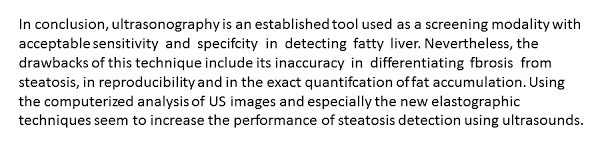
Siêu âm B-mode có khả năng phát hiện sớm gan thấm mỡ bằng định tính và các kỹ thuật định lượng, [ bao gồm CAP của FibroScan], góp phần ngăn chặn diễn tiến gan xơ hóa và chai gan.
ĐỊNH TÍNH:
HÌNH ẢNH SIÊU ÂM

Với 101 ca (72 nữ, 55 nam) có làm histogram cường độ siêu âm gan và thận.
ĐỊNH LƯỢNG:
Histogram cường độ siêu âm gan và thận và chỉ số thấm mỡ gan thận [SHRI]


LIVER FAT and FIBROSIS
NHÌN LẠI GAN THẤM MỠ
ARFI ĐÁNH GIÁ ĐỘ CỨNG GAN Ở BỆNH NHÂN TIỂU ĐƯƠNG TYPE 2
GAN MỠ: ĐÁNH GIÁ CỦA SIÊU ÂM ĐÀN HỒI
TẠO HÌNH ĐÀN HỒI SÓNG BIẾN DẠNG PHÂN TÁN [SWE DISPERSION]





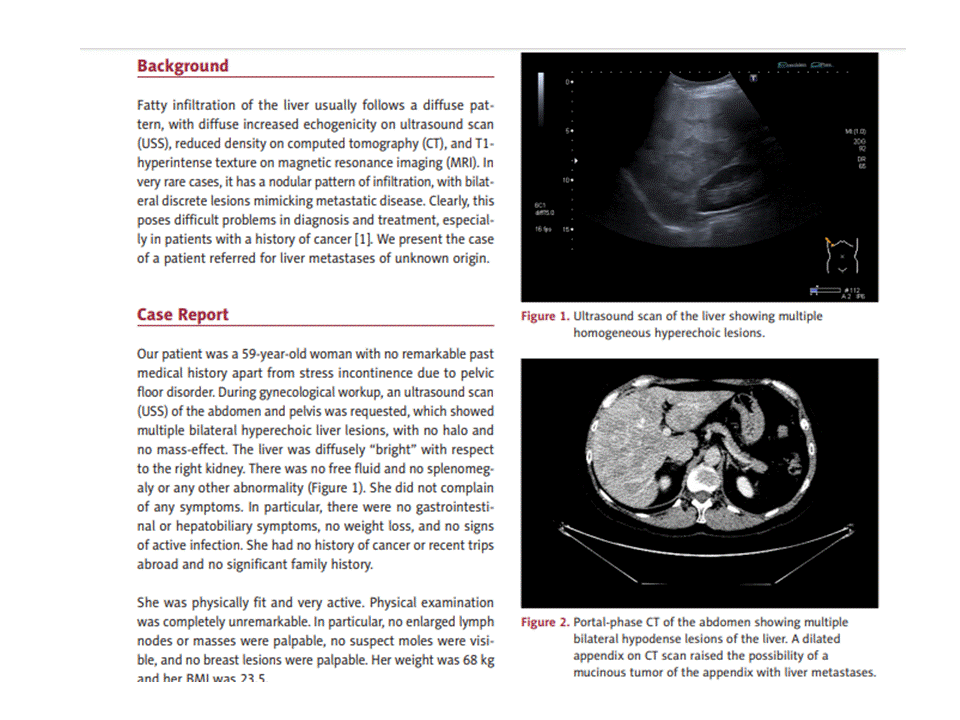
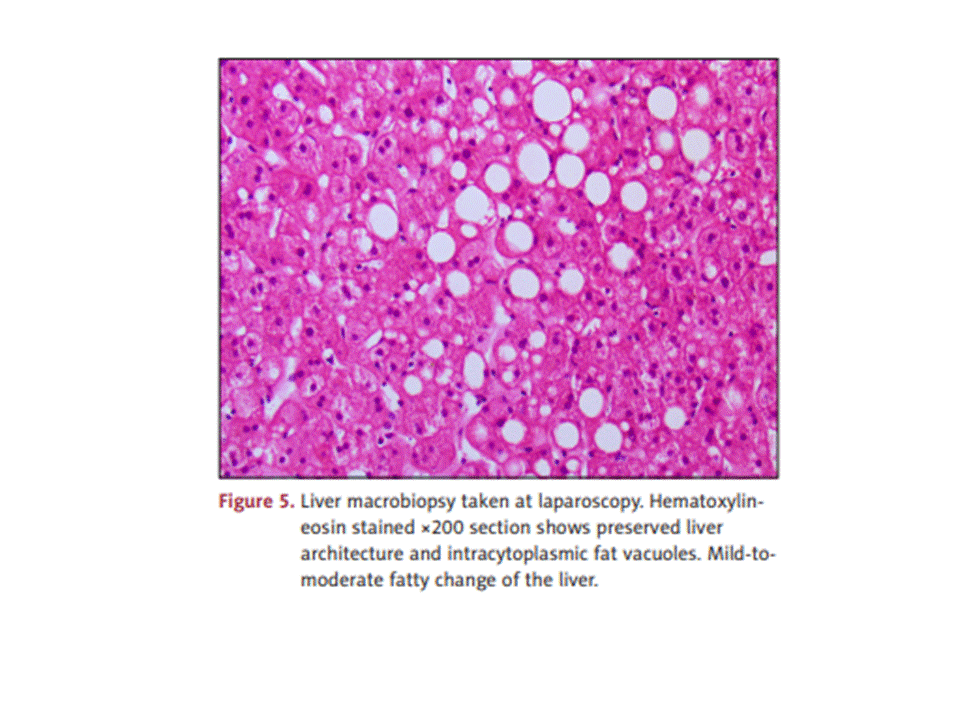
UNUSUAL NODULAR FATTY INFILTRATION of the LIVER